
Government Partnerships

Supporting Policy. Enabling Innovation. Accelerating Impact.

The Energy Consortium works closely with government agencies, public institutions, utilities, and policymakers to support India’s transition towards a sustainable, secure, and resilient energy future.

By combining research excellence, industry insights, and technology expertise, we help government stakeholders address complex energy challenges through evidence-based recommendations, strategic advisory, technology assessment, and collaborative innovation.

Our role extends beyond research—serving as a trusted partner in shaping policies, evaluating emerging technologies, and advancing national energy priorities.

A Trusted Knowledge Partner

The Energy Consortium provides advisory support and technical expertise to leading government organizations at both national and state levels. Our engagements spans across

Energy policy and planning
Decarbonization pathways
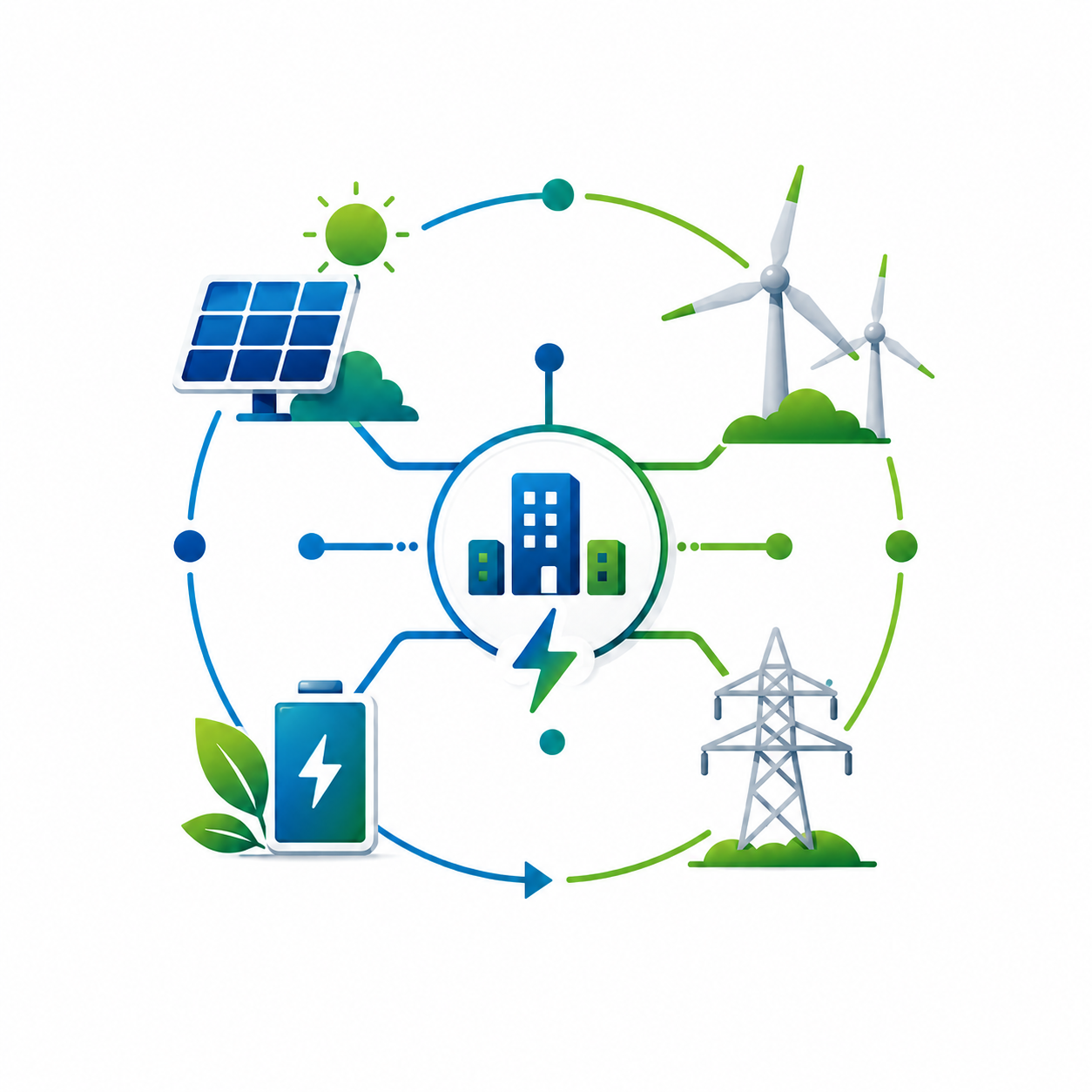
Renewable energy integration

Grid modernization
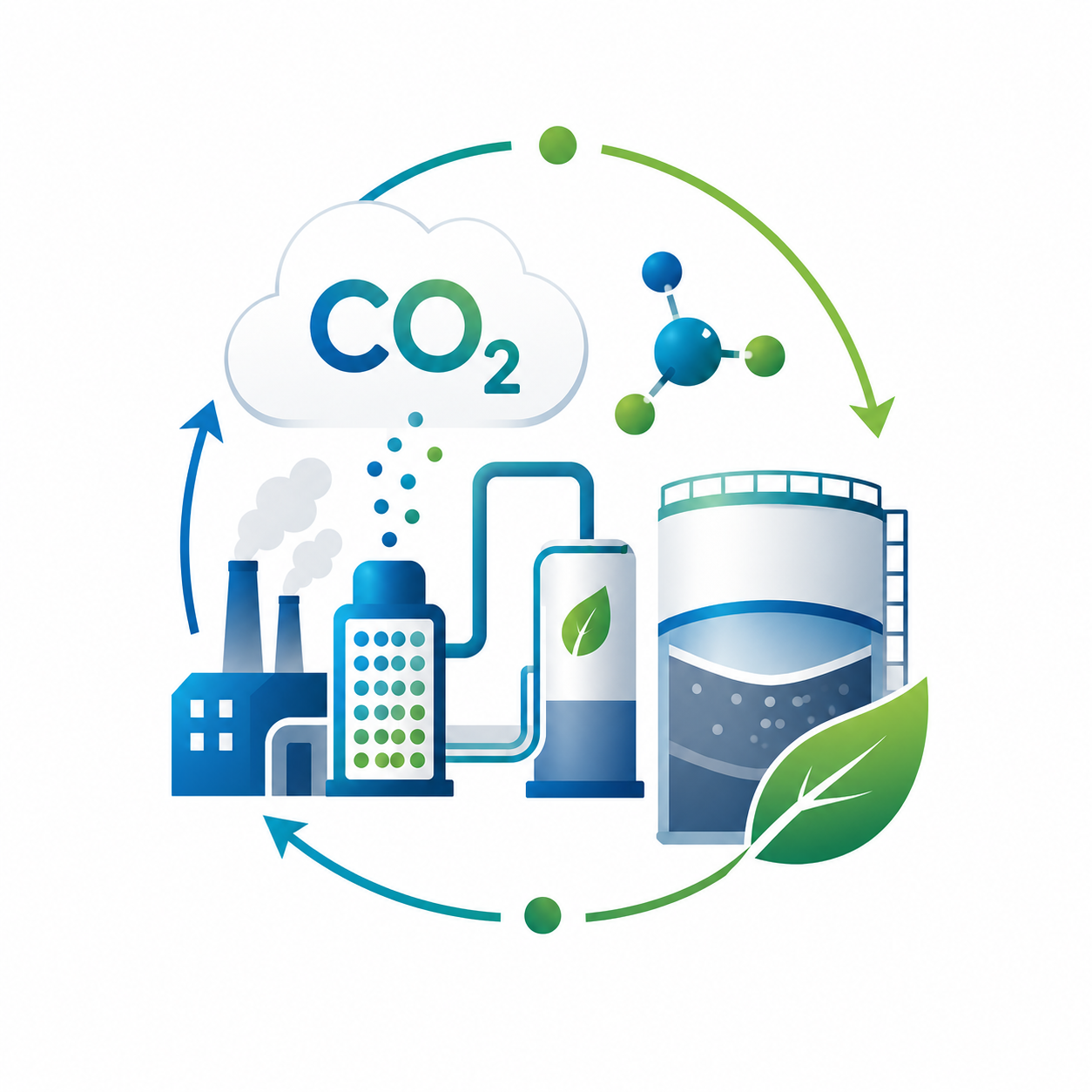
Carbon management technologies
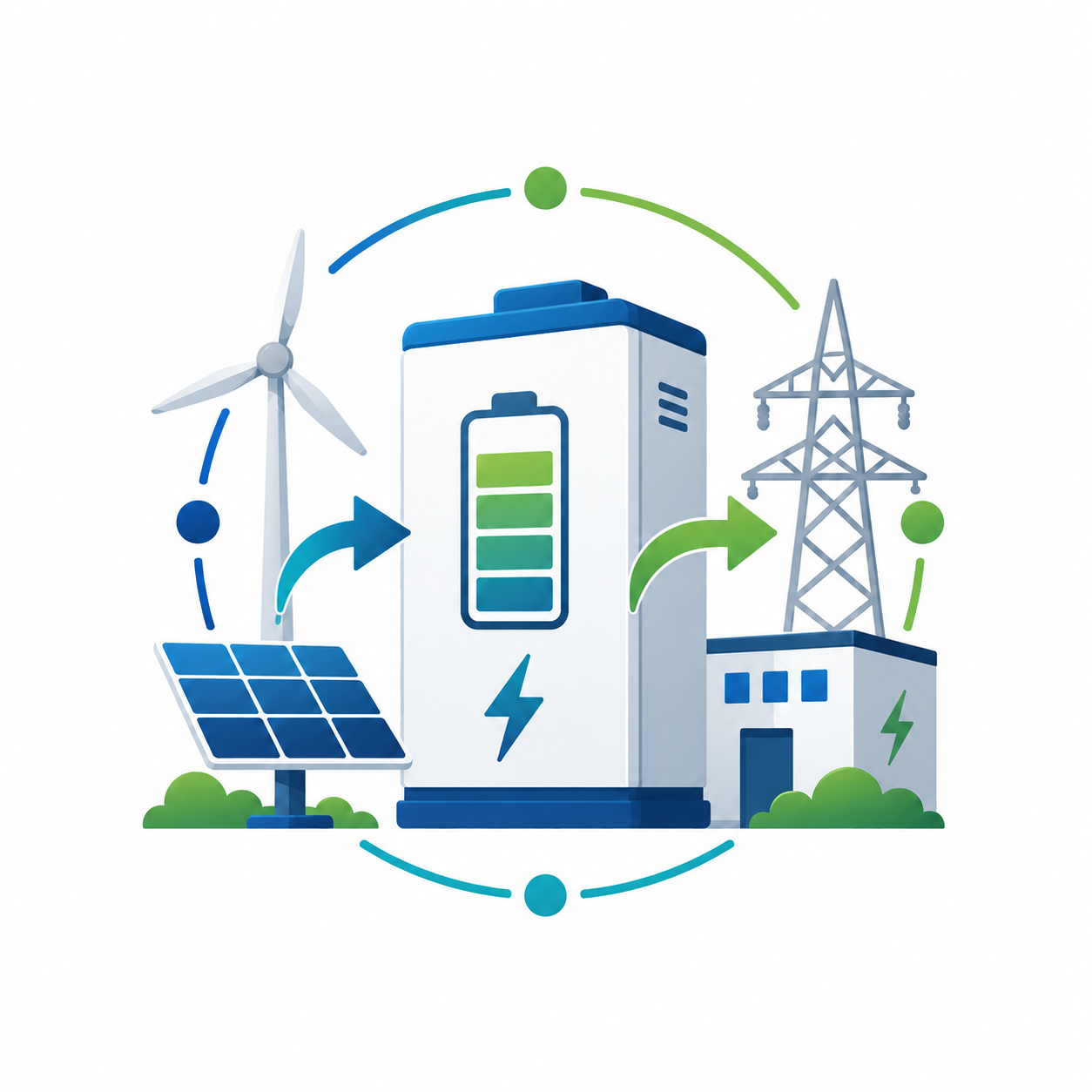
Energy storage systems
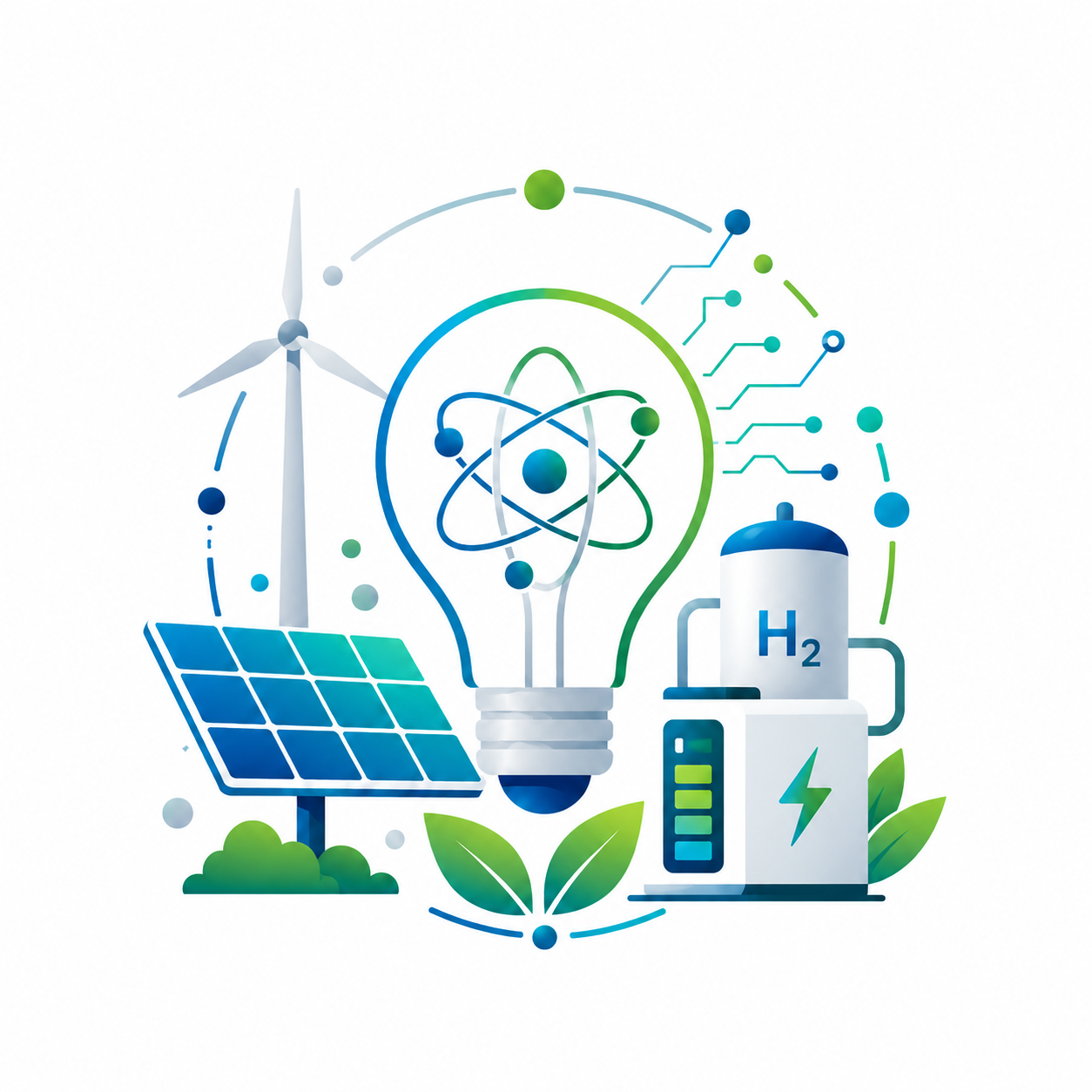
Emerging energy technologies
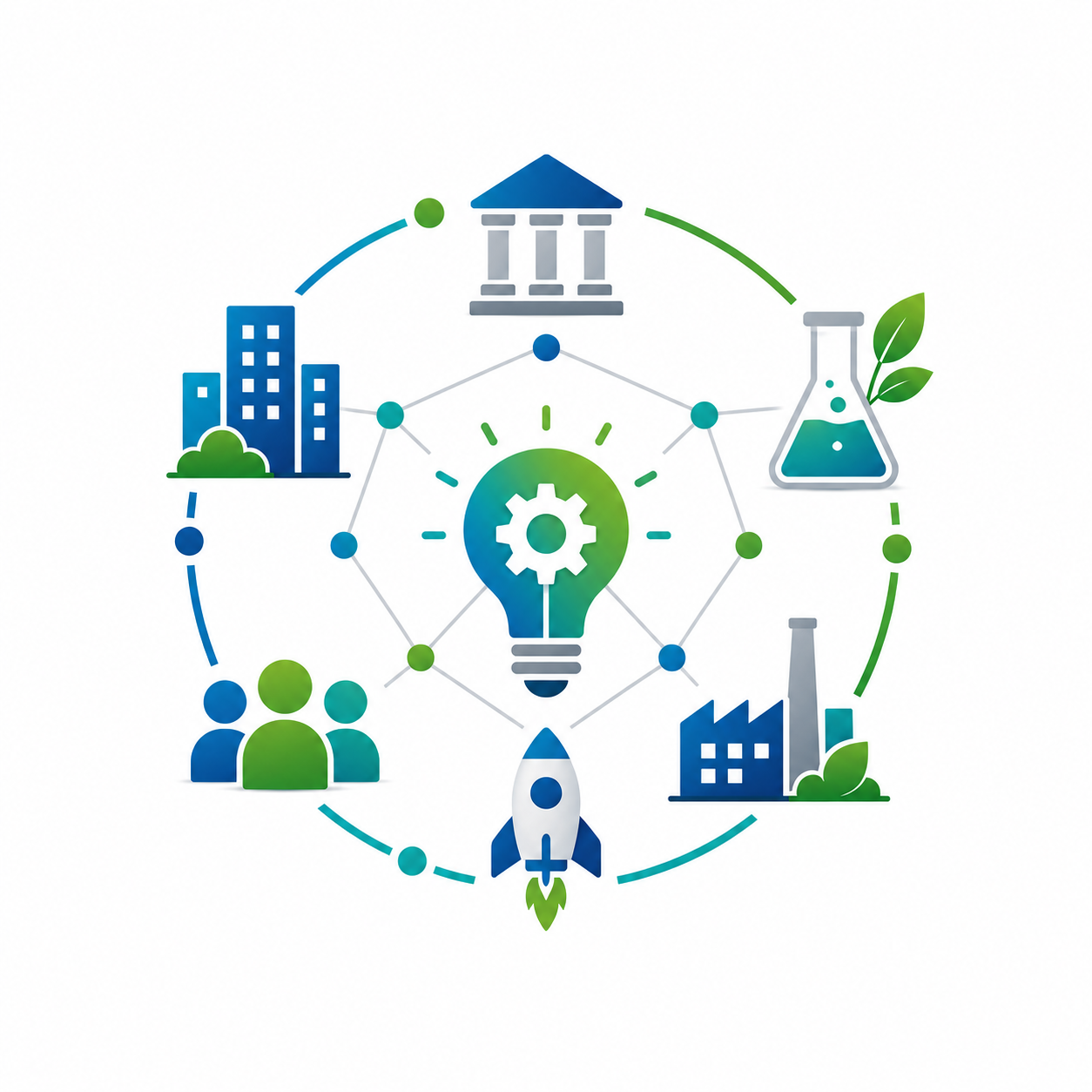
Innovation ecosystem development
Strategic Government Engagements

  • Rajnish Kumar – member, National CCUS R&D Roadmap committee, Department of Science & Technology (DST), chaired by Dr Ashish Lele (Director, CSIR-NCL Pune)
  • Satyanarayanan Seshadri – engaged with the Bureau of Energy Efficiency (BEE) on the India Carbon Markets Framework deployment committee
  • Nikhil Tambe – contributed to the Long Duration Energy Storage committee constituted by NITI Aayog
  • Ongoing advisory roles with BEE, DST, Guidance Tamil Nadu and NITI Aayog
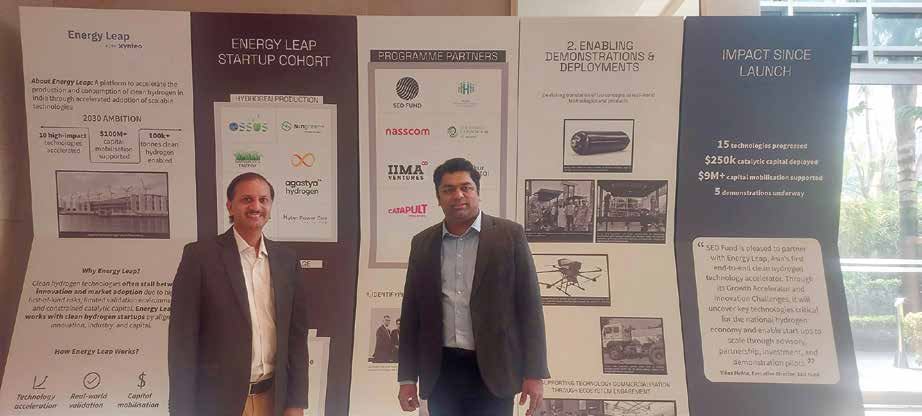
  • The Energy Consortium also participated in the MNRE 1st Annual Green Hydrogen R&D Conference under the National Green Hydrogen Mission (NGHM) — which announced a ₹100 crore Call for Proposals for hydrogen startups — and the CII-Southern Region Energy Transition Summit 2026.
MNRE Green Hydrogen R&D Conference

The Energy Consortium contributes expertise and advisory support to organizations including:

Bureau of Energy Efficiency (BEE)

Supporting initiatives that improve energy efficiency, accelerate decarbonization, and advance sustainable energy practices across sectors
NITI Aayog

Providing research insights and technology perspectives that contribute to India's long-term energy and sustainability goals.
Department of Science & Technology (DST)

Collaborating on research, innovation, and technology development programs that support national priorities.

Guidance Tamil Nadu

Supporting industrial and energy transition initiatives through knowledge exchange and strategic collaboration.

UNFCCC Observer Status

The Energy Consortium serves as an official observer at the United Nations Framework Convention on Climate Change (UNFCCC) on behalf of IIT Madras. This role enables participation in global climate discussions and provides opportunities to contribute Indian research perspectives to international conversations on climate action and energy transition.

Supporting National Energy Priorities

India’s energy transition requires solutions that are technically viable, economically feasible, and scalable.

The Energy Consortium supports public-sector stakeholders by:

Evaluating emerging technologies

Conducting techno-economic studies

Assessing deployment pathways

Developing pilot and demonstration projects

Building collaborative innovation ecosystems & Bilateral / Multilateral funding programs

Facilitating industry-academia-government partnerships

Current Collaborations

Kerala State Electricity Board (KSEB)

Building the Future Grid

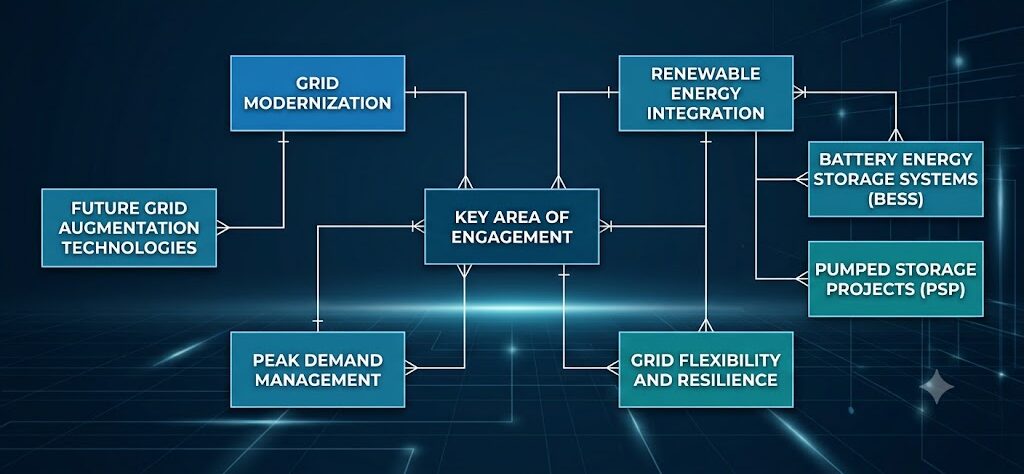
The Energy Consortium has entered into a strategic collaboration with the Kerala State Electricity Board (KSEB), one of India’s largest integrated electricity utilities serving more than 1.4 crore consumers.

The collaboration focuses on future-ready grid technologies that can support Kerala’s evolving energy landscape.

Key areas of engagement include:

As renewable energy adoption continues to grow, the partnership seeks to address challenges related to intermittency, energy storage, and grid reliability.

NLC India Limited

Advancing Carbon Capture Technologies

The Energy Consortium and NLC India Limited have established a strategic partnership focused on advancing India’s decarbonization journey.

The collaboration aims to accelerate research and deployment of:

The partnership supports the development of cost-effective solutions for capturing and utilizing carbon dioxide while contributing to national climate objectives.

Energy Systems Catapult, United Kingdom

Enabling Cross-Border Energy Innovation

The Energy Consortium has partnered with Energy Systems Catapult, a UK government-backed innovation centre focused on achieving a net-zero energy future.

The collaboration supports:

This partnership strengthens global collaboration while supporting the development of scalable solutions for the energy transition.

Enabling Evidence-Based Decision Making

The Energy Consortium helps bridge the gap between research, technology, and policy by providing:

Strategic
Advisory

Supporting government agencies with expert guidance on emerging energy challenges and opportunities

Technology Assessment

Evaluating technologies for performance, scalability, and deployment readiness.

Research & Analytics

Generating insights that support informed policy and investment decisions.
Pilot Demonstration Support

Validating innovative technologies under real-world conditions before large-scale deployment.
Ecosystem Development

Creating collaborative platforms that connect government, industry, academia, and innovators.

Driving the Energy Transition Together

The path to net zero requires coordinated action across government, industry, academia, and society.

The Energy Consortium serves as a collaborative platform that helps public-sector stakeholders navigate emerging challenges, evaluate future technologies, and implement solutions that deliver long-term economic, environmental, and societal impact.

Together, we are shaping a resilient, sustainable, and energy-secure future.

UK

1 of 3

Denmark

2 of 3

Australia

3 of 3